Understanding (and embracing) hyperpigmentation
As a skincare professional with bags of experience under my belt, I have seen firsthand how much the skincare industry can help – and hinder – people’s self-esteem. And while there is nothing wrong with hankering after healthy, glowing skin, the pursuit of a flawless, blemish-free complexion is far more problematic.
Hyperpigmentation is something that affects all sorts of people, from all walks of life. It is normal, it is natural, and it is absolutely nothing to be ashamed of. But with products and treatments flooding the market, promising to banish pigmentation for good, it is time we took a closer look at the truth about this common skin condition.
What is hyperpigmentation?
Hyperpigmentation is an incredibly common skin condition characterised by darker patches of skin. It occurs when excess melanin (the pigment that gives skin its colour) is produced. This short video from dermatologist Dr. Shevanti Jegasothy explains more.
But as well as understanding what hyperpigmentation is, it is important to tune into what the different types are trying to tell you.
Chloasma (melasma)
-
Appearance: Brown or grey-brown patches.
-
Common areas: Face, cheeks, forehead, nose, upper lip.
-
Causes: Hormones and sun exposure.
-
Common in: Women, particularly during pregnancy.
Post-inflammatory hyperpigmentation (PIH)
-
Appearance: Dark patches following inflammation.
-
Common areas: Anywhere affected by skin trauma.
-
Causes: Acne, eczema, injury, picking.
-
Common in: All skin types, more visible in darker tones.
Sunspots (solar lentigines)
-
Appearance: Flat brown spots.
-
Common areas: Face, hands, arms.
-
Causes: Sun exposure.
Vitiligo
-
Appearance: White patches.
-
Common areas: Face, hands, around openings.
-
Causes: Autoimmune and genetic factors.
Each type requires a different approach. But what if we focused less on removing it, and more on understanding it?
History of hyperpigmentation
-
In western cultures, lighter skin once signalled status, though modern perspectives are shifting towards diversity.
-
In India, fair skin has long been idealised, though movements now challenge this narrative.
-
In East Asia, lighter skin has historical associations with nobility, though attitudes are evolving.
-
Across Africa, beauty standards vary widely, with increasing celebration of darker skin tones.
Your self-worth should never be dictated by external beauty standards.
How to embrace hyperpigmentation (safely)
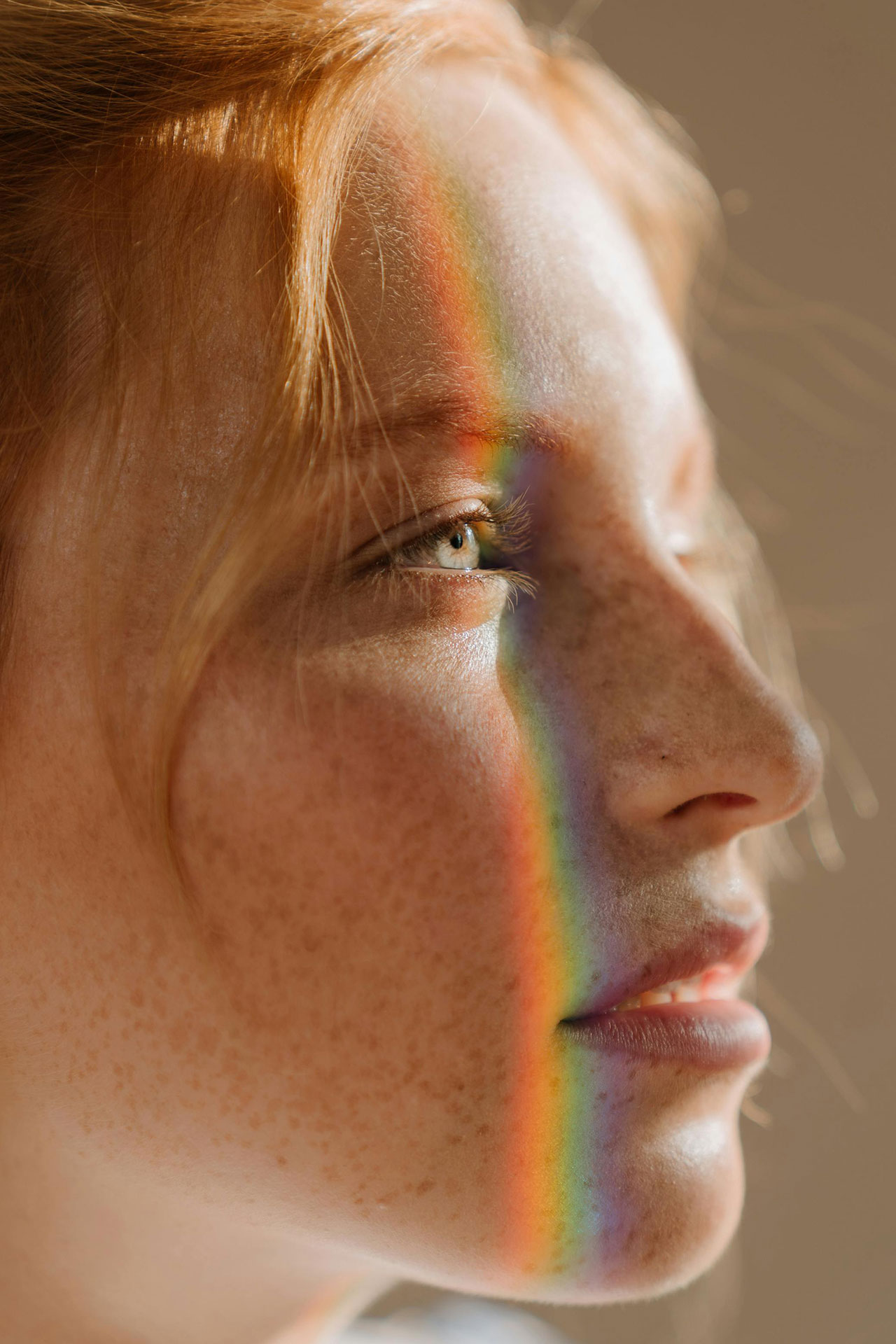
We are all born without a single freckle, but exposure to the sun brings pigmentation. This is protection, not a flaw.
Melanin helps absorb UV radiation, reducing damage. The sun is not the enemy when enjoyed safely.
Freckle pens and makeup
-
Face-freckling: Faux freckles celebrate natural-looking skin.
-
Makeup tutorials: Encouraging enhancement rather than concealment.
Skin positivity movement
-
Social media: Unedited skin is being celebrated.
-
Influencers: Promoting visibility and acceptance.
Art and fashion
-
Photography: Highlighting real skin texture and tone.
-
Fashion: Increasing representation across campaigns.
These shifts reflect a growing acceptance of real skin. But your skin is not a trend — it is yours.
Healthy, glowing skin
I am here to help you achieve healthier skin, not perfect skin.
There are treatments that can support hyperpigmentation if it affects your confidence. But the process will always return when exposed to the sun.
My advice is simple:
Love the skin you are in. Support it from within. Listen to what it is telling you.
If you are unsure what your skin is trying to communicate, book a consultation and we will explore it together.
Ingrid x